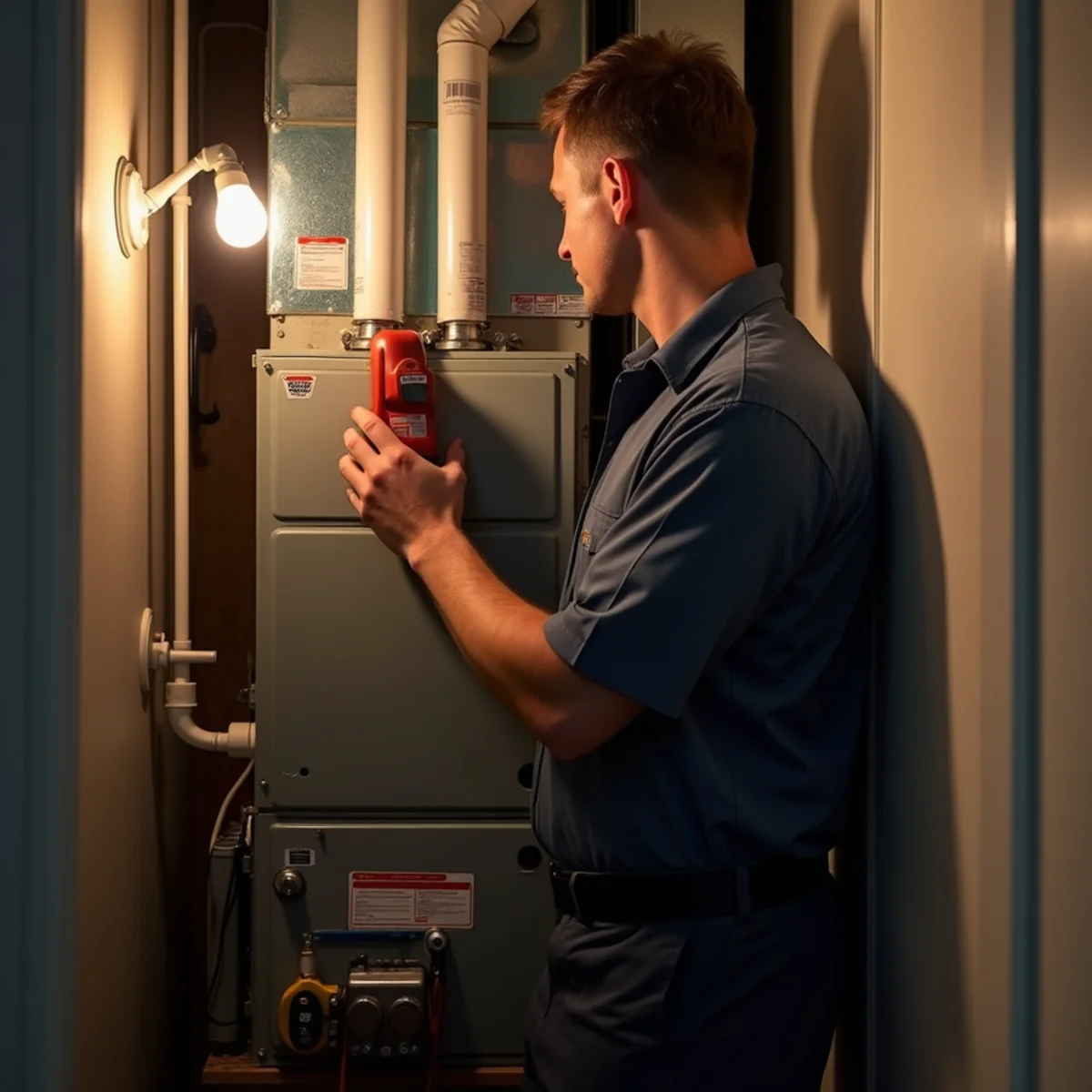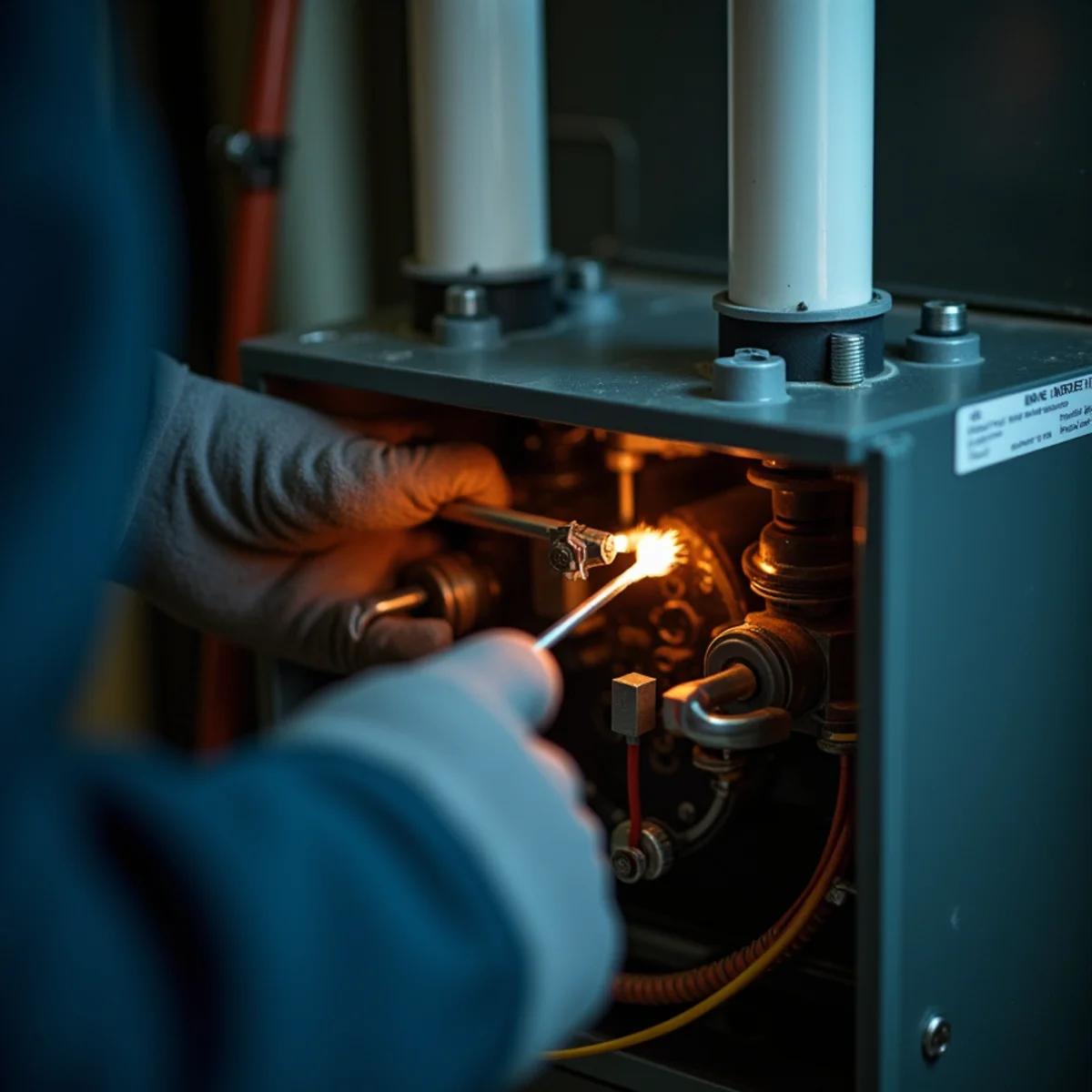
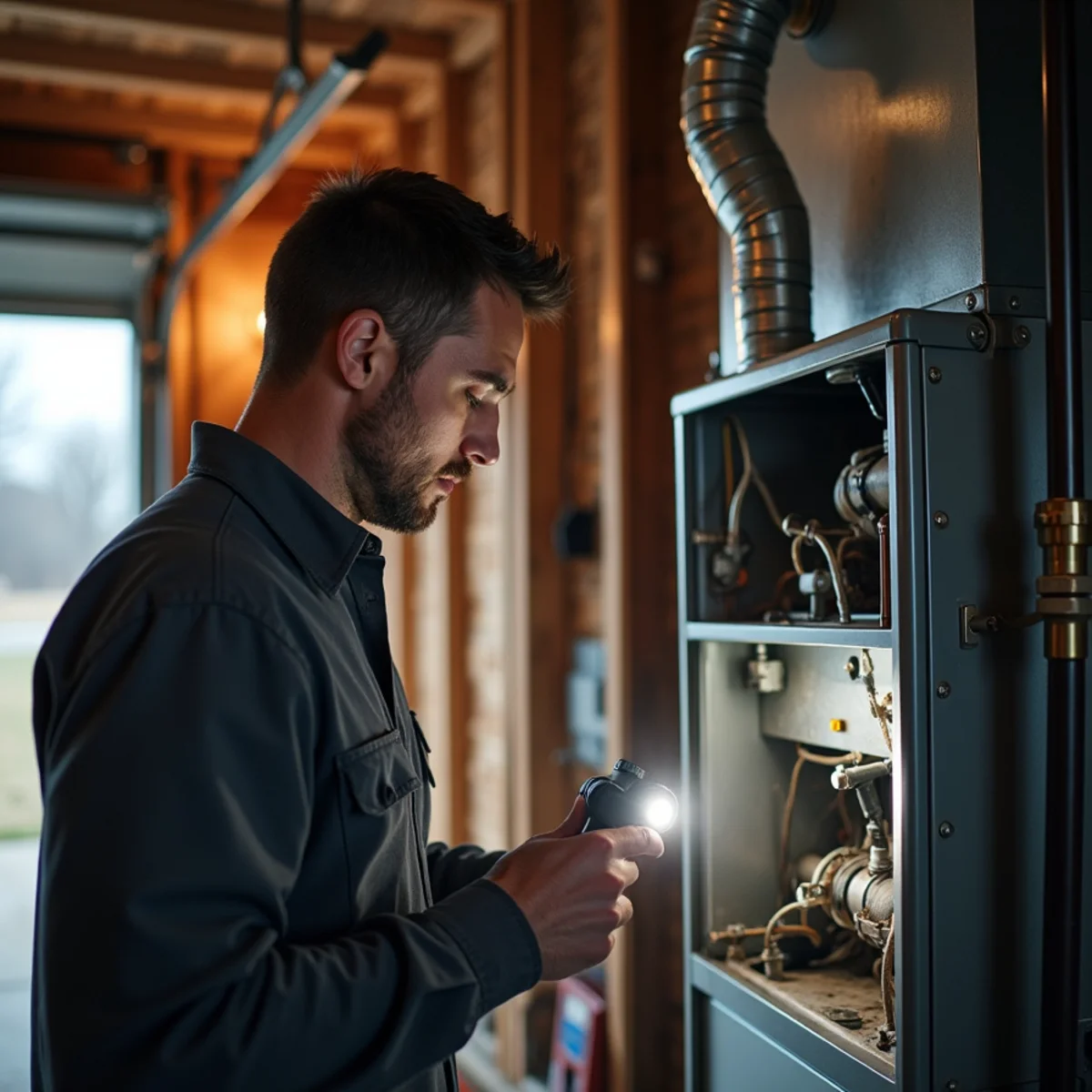
Repair usually makes sense when the furnace is under roughly ten years old, the failure is a single component, and it has not needed repeated service. Replacement moves ahead of repair when the unit is well into its second decade, when repairs are stacking up season after season, or when a technician documents a cracked heat exchanger or a failed safety control. A cracked heat exchanger is the one finding that ends the debate: that furnace should be shut down, not patched.
This guide covers the question above in depth for Oklahoma City homes and businesses. Here is what it walks through:
- The short version: five questions that decide it
- Question 1 - How old is the furnace, really?
- Question 2 - Is this the first repair, or the third?
- Question 3 - Did the technician find a safety problem?
- Question 4 - Is the furnace actually keeping the house comfortable?
- Question 5 - How long are you staying in the house?
- Weighing repair cost against replacement without a magic formula
- What to ask any contractor before you approve either one
- How Serrato approaches the repair-or-replace conversation
What makes this guide useful: A one-page "Furnace Decision Scorecard" the reader can fill in: seven weighted rows (age bracket, number of repairs in last 3 years, safety findings, comfort complaints, efficiency of current unit, years remaining in home, parts availability for the model) each scored 0-3, with three banded outcomes - Repair with confidence / Get a second opinion and both quotes / Replacement is the sound call. This beats the manufacturer pages because Lennox, Carrier, and Trane all resolve every scenario toward "buy a new one"; this scorecard has an honest Repair outcome and tells readers when ductwork, not the furnace, is the actual culprit.
Not sure which side of the line your furnace falls on? Contact Serrato Heat and Air at (327) 210-5999 and we'll walk you through what we find, including when repair is the better call.