
Ductwork
Duct Sealing in Oklahoma City, OK
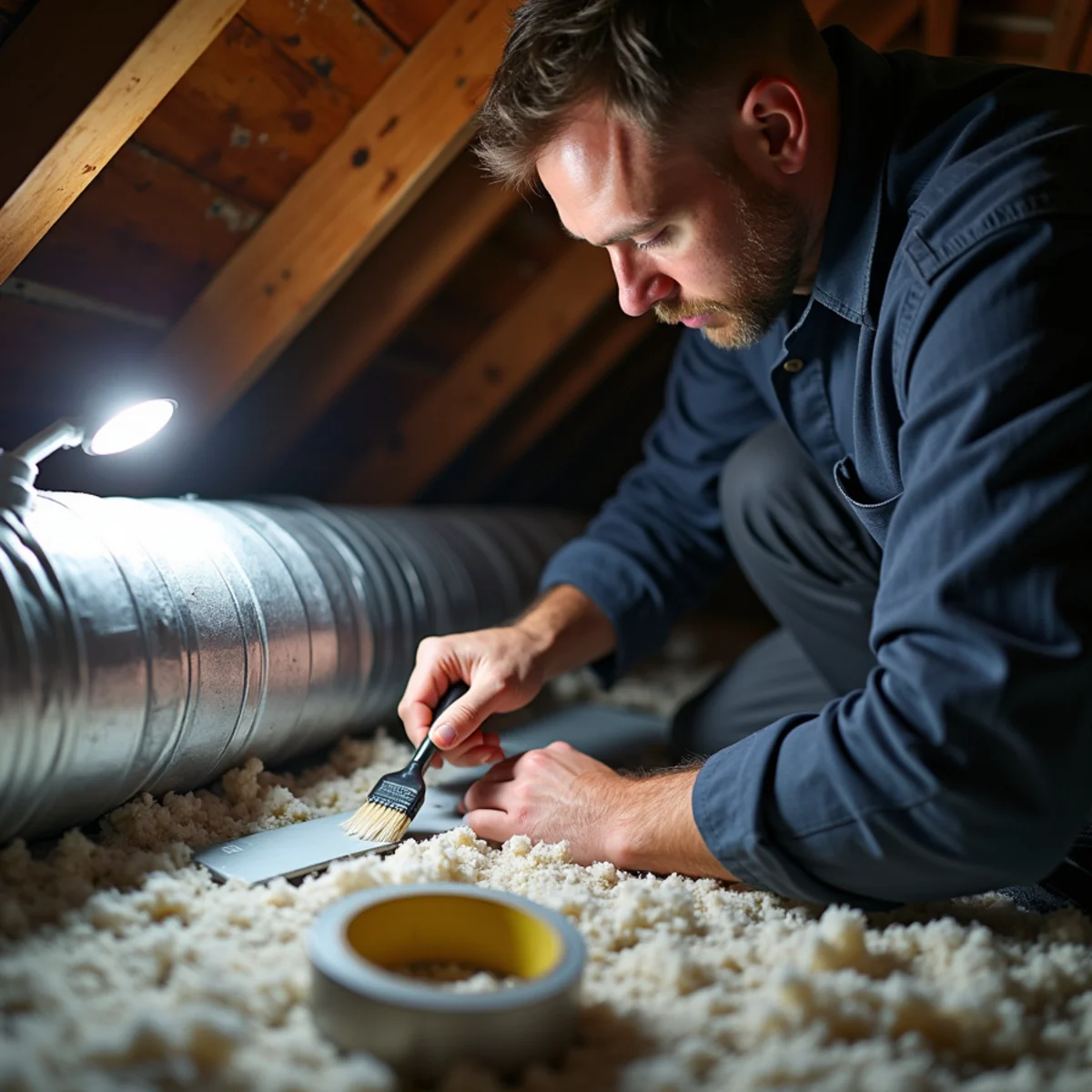
Ducts do not have to look damaged to leak. A duct system in an Oklahoma City attic can be intact end to end and still lose a meaningful share of the air you paid to cool — through joints, boot connections, plenum takeoffs, and return chases that were never sealed in the first place. Duct sealing is the unglamorous work of closing those gaps so more of the air reaches the rooms you are actually in.
Where the leaks actually are
- Unsealed joints and boot connections throughout the system
- Plenum takeoffs that leak at the collar
- Building-cavity returns — a joist bay or wall chase used as a duct
- Supply leaks handing conditioned air to a 140-degree attic
- Return leaks pulling attic air, dust, and insulation into the house
- A dusty home and rooms that never quite keep up
How a duct system gets evaluated for leakage
- Inspecting the accessible runs, joints, boots, and takeoffs
- Identifying supply-side versus return-side leaks — they cause opposite problems
- Checking for building-cavity returns common in older Oklahoma homes
- Sealing with mastic and UL 181 tape, not cloth duct tape that fails in attic heat
- The combustion-safety question a return leak can raise near a gas appliance
- Whether to seal, repair, or rework — and sealing before sizing a replacement
What to expect when you contact us
- 01
Evaluate the system
We look at how and where the ductwork is losing air.
- 02
Explain the pattern
Supply leaks waste conditioned air; return leaks pull in attic air and can raise a safety question.
- 03
Seal what is accessible
We close joints, boots, takeoffs, and chases with materials that survive an Oklahoma attic.
- 04
Sequence it right
If a replacement is coming, we seal first — sealing changes the load, so it belongs before the quote.
The building-cavity return in older Oklahoma City homes
A lot of mid-century Oklahoma City housing uses a panned joist bay or a hallway wall chase as return ducting — unsealed by construction, and often the single biggest leak in the house. ENERGY STAR estimates that about 20 to 30 percent of the air moving through a typical duct system is lost to leaks. That figure is typical of duct systems generally, not a promise about your house — we have not measured yours, and we will not invent a number for it.
Why Oklahoma City chooses Serrato Heat and Air
We are a locally owned Oklahoma City company with more than ten years of experience, and heating and cooling is the only thing we do. We serve homes and businesses across the metro, we explain what we find in plain language, and the decision always stays yours. HVAC is not a side line for us — it is the whole business.
Serving Oklahoma City and nearby communities
We are based in west Oklahoma City and work across the metro, from Oklahoma City, Bethany, Warr Acres, Yukon, Mustang, and more. Coverage depends on your address, so contact us to confirm availability where you are.
Serrato Heat and Air has earned 40 customer reviews across the Oklahoma City metro. Read them on Google.
Duct Sealing questions from Oklahoma City
Need Heating or Air Conditioning Help in Oklahoma City?
Tell Serrato Heat and Air what your system is doing, what type of property you have, and the best way to reach you.