
Resource
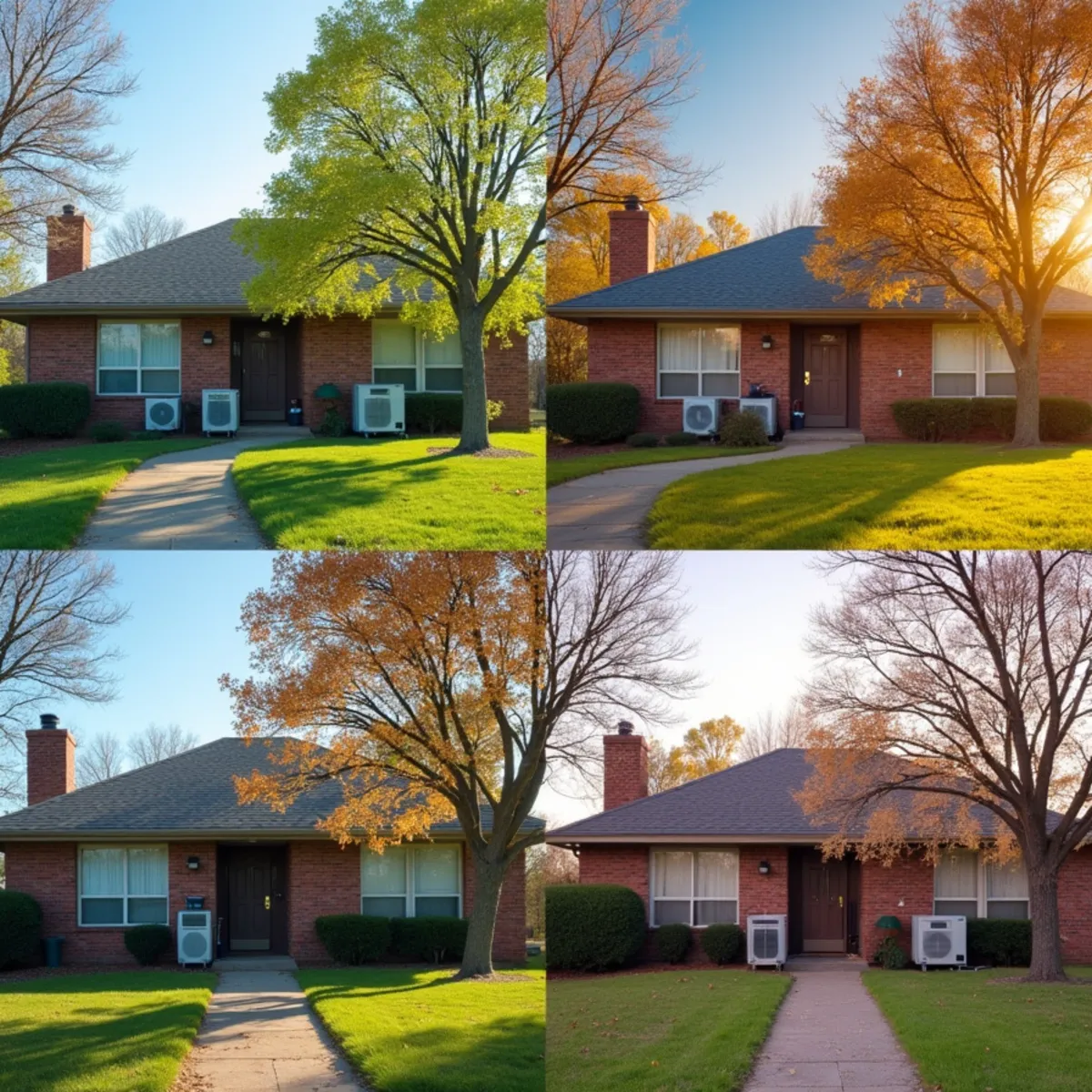
Oklahoma City Seasonal HVAC Guide
Oklahoma City runs roughly 73 days a year above 90°F and about 72 nights at or below freezing, and the changes arrive fast. Here is how the year tends to treat a heating and cooling system, season by season.
Spring: storm season and the first heat
Oklahoma springs bring hail and wind. Oklahoma County averages close to 30 hail reports a year, and most are an inch or larger — the size at which condenser fins and coils start taking damage. After a storm, it is worth checking the outdoor unit for bent fins and debris before running it hard. Spring is also the time for a cooling tune-up, before the run of 90°F-plus days begins.
Summer: sustained heat
The metro runs roughly 73 days a year above 90°F and about a dozen above 100°F. That is months of heavy load, and it is when marginal parts fail and undersized systems fall behind. Keep the outdoor unit clear, change filters more often, and treat weak airflow or warm air as an early warning rather than something to ride out.
Fall: the first front
Oklahoma cold arrives as a front, not a gradual slide. A furnace that sat untested all summer gets its first real test the night the temperature drops, along with everyone else’s. A fall heating check moves that discovery to a calm week instead of a cold one.
Winter: freeze and thaw
Winters here are short but sharp — around 72 nights a year at or below freezing. Ice storms, more than snow, are the defining hazard. If you have a heat pump, the steam and periodic defrost cycle you see on the coldest days are normal. And any persistent gas smell is a leave-the-building-first situation.
Need Heating or Air Conditioning Help in Oklahoma City?
Tell Serrato Heat and Air what your system is doing, what type of property you have, and the best way to reach you.