Skip to content
Serrato Heat and Air

Heating

Furnace Noises: What’s Normal and What Isn’t

Updated July 15, 20261 min read
Smell gas, smoke, or suspect carbon monoxide? Leave the building first, then call 911 or your gas utility from outside. Call us once you are safe(327) 210-5999.

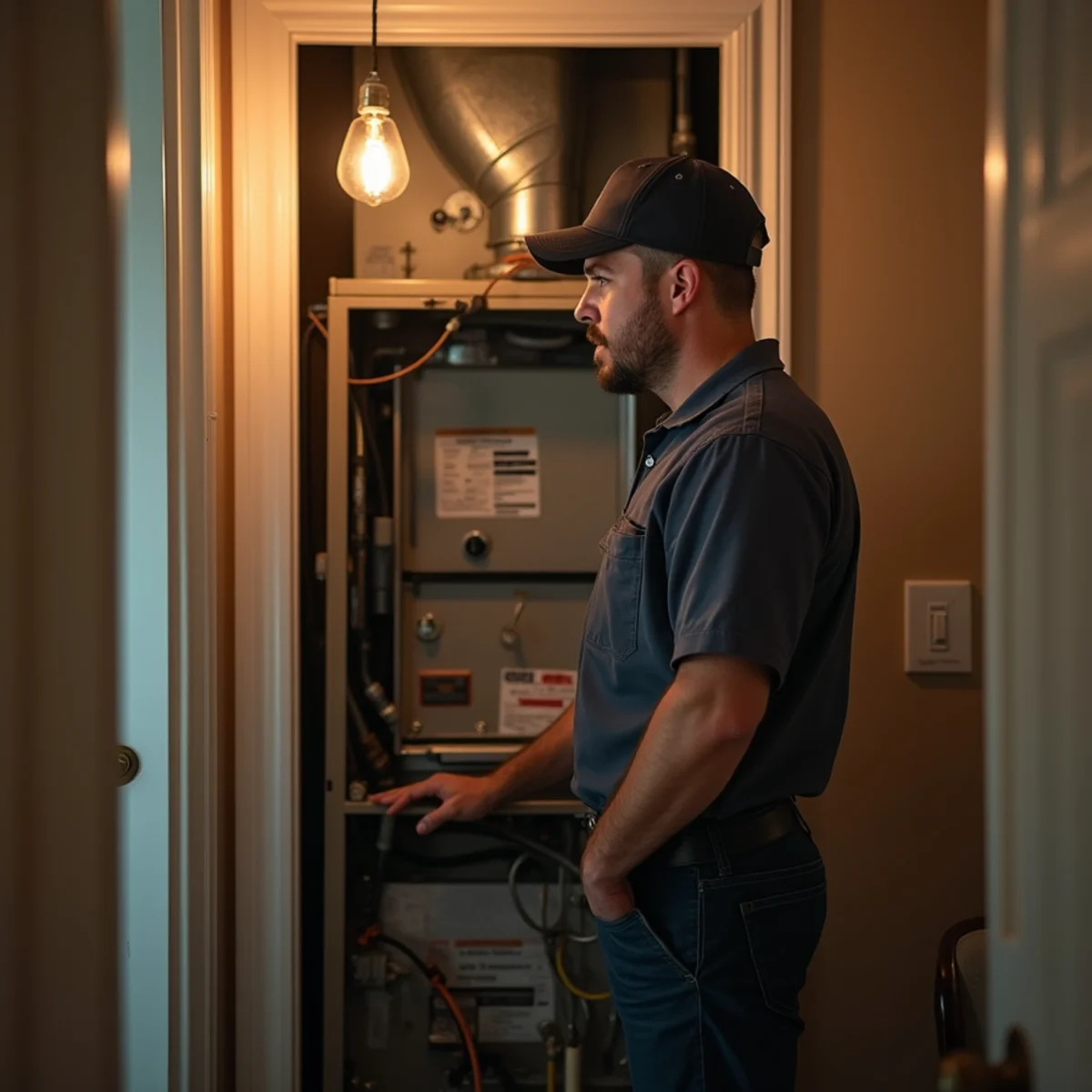
Most furnace noise is a mechanical problem that gets worse and more expensive if you wait, but three sounds deserve immediate action: a loud boom or bang when the burners light, metal-on-metal scraping while the blower runs, and a rumble that continues after the furnace has shut off. Turn the system off at the thermostat for those three and get it looked at. A booming ignition and a post-shutdown rumble can both point to combustion problems, which is the category where carbon monoxide lives.

This guide covers the question above in depth for Oklahoma City homes and businesses. Here is what it walks through:

  • The three noises that mean shut it off now
  • Noises that mean call soon, but you're not in danger tonight
  • H4: Panel and duct rattle vs. something loose inside
  • Noises that are usually normal
  • How to describe the noise to a technician
  • Why noises get worse in Oklahoma's first cold week
  • What ignoring a noise usually costs you
  • Carbon monoxide: the noises that overlap with a combustion problem

What makes this guide useful: A "Furnace Sound Chart" table built around plain-English sound words rather than component names, since that's how people actually search: Sound (boom, bang, screech, squeal, scrape, rattle, click, hum, rumble-after-shutdown, tick, whoosh) x When in the cycle it happens x Likely cause in plain language x Severity band (Normal / Call this week / Shut it down now) x Whether it's a safety concern. Paired with a "When in the cycle?" timeline strip showing the five stages of a heat cycle so readers can pinpoint where their noise falls - which is the single most useful thing a tech needs on the phone and something no manufacturer page provides.

If your furnace is making a sound from the shut-it-down list, turn it off and contact Serrato Heat and Air at (327) 210-5999. Ask about availability when you call.
More heating articles

Heating1 min read

Why Is My Furnace Blowing Cool Air? Common Causes for Oklahoma City Homes

A furnace blowing cool air most often comes down to one of four things: the thermostat fan is set to ON instead of AUTO, a clogged filter is causing the burners to overheat and shut off, the flame sensor is dirty and killing the flame seconds after ignition, or the furnace has locked out on a safety control. The fan setting is the only one a homeowner should handle. If you smell gas or burning at any point, leave the house first and call 911 or your gas utility from outside.

Read more
Heating1 min read

Furnace Repair or Replacement? How to Decide for an Oklahoma City Home

Repair usually makes sense when the furnace is under roughly ten years old, the failure is a single component, and it has not needed repeated service. Replacement moves ahead of repair when the unit is well into its second decade, when repairs are stacking up season after season, or when a technician documents a cracked heat exchanger or a failed safety control. A cracked heat exchanger is the one finding that ends the debate: that furnace should be shut down, not patched.

Read more
Heating1 min read

Getting Your Heat Ready Before the Next Oklahoma Cold Front

The single most useful thing you can do before an Oklahoma cold front is run your heat for fifteen minutes a week before you need it, not the night it arrives. Set the thermostat about five degrees above room temperature, let the system run a full cycle, and pay attention to smells, noises, and whether every room actually gets warm air. A furnace that fails that test in mild weather is a scheduled repair; the same furnace failing at 2 a.m. in a hard freeze is a much worse day.

Read more

Need Heating or Air Conditioning Help in Oklahoma City?

Tell Serrato Heat and Air what your system is doing, what type of property you have, and the best way to reach you.

CallRequest Service