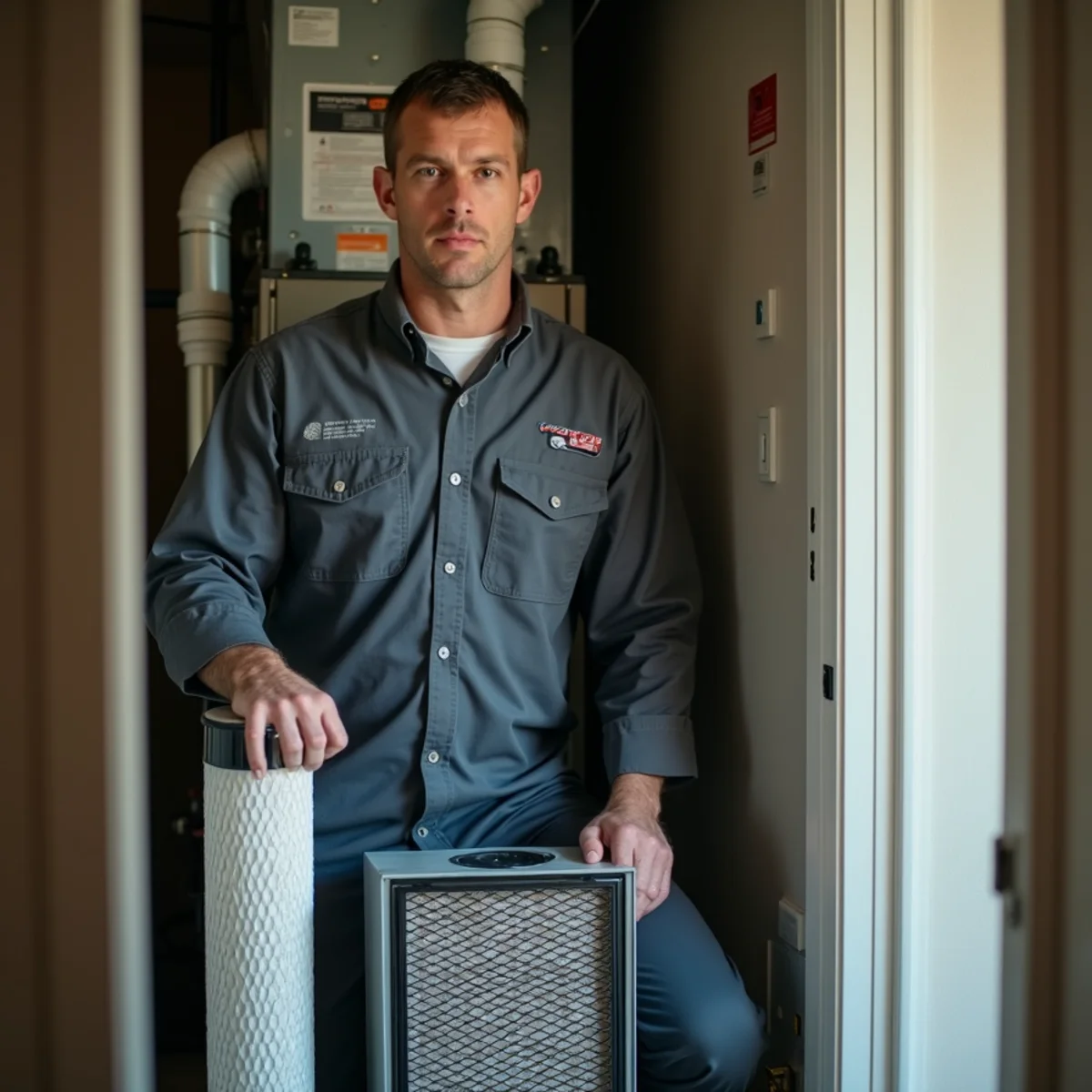
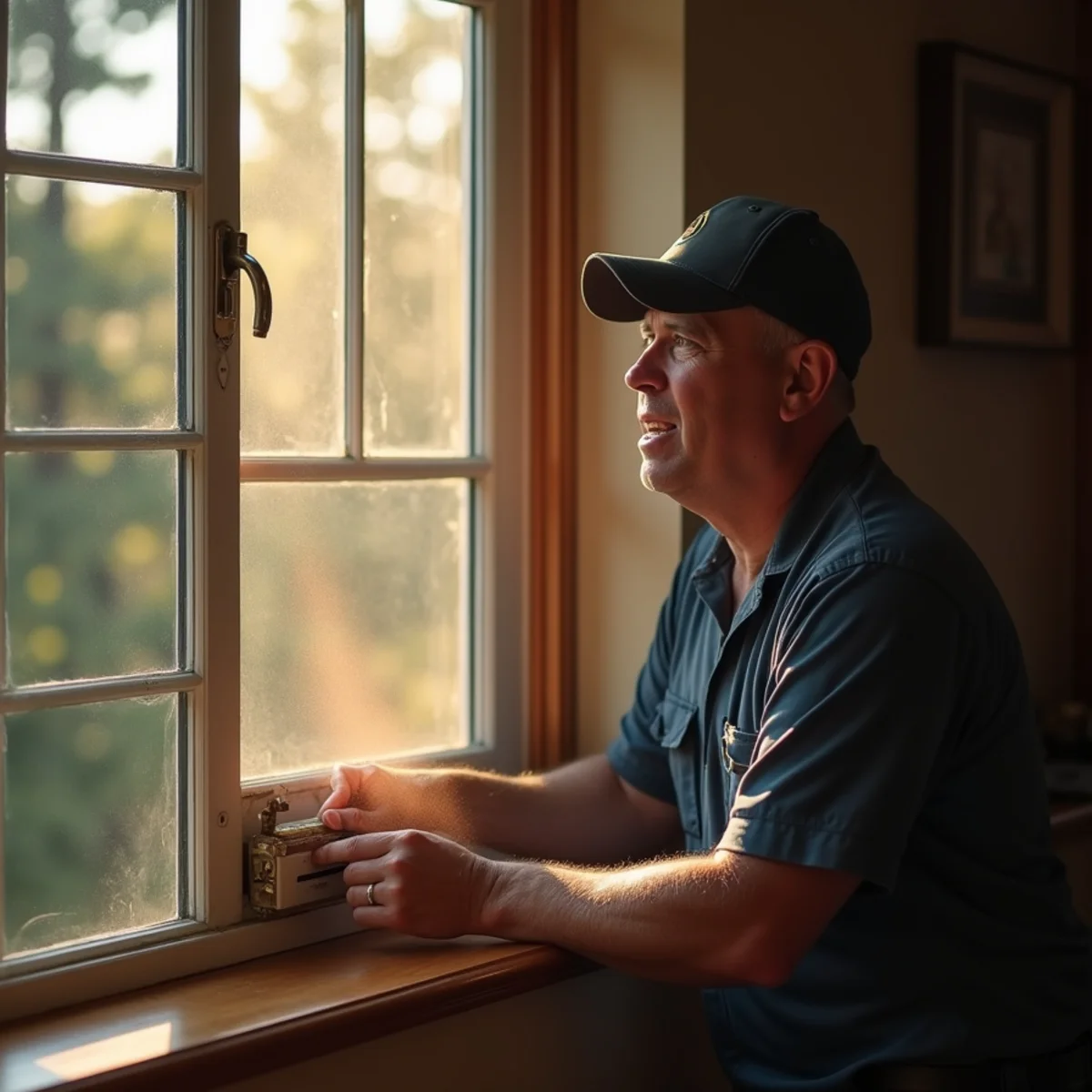
Oklahoma's red dust and cedar pollen get into your house three main ways: through gaps in the building envelope, through leaks in ductwork running through the attic or crawlspace, and around a filter that doesn't seal tightly in its slot. Your HVAC system then circulates the particles through every room. Sealing the ducts and correcting filter bypass usually does more than upgrading the filter alone.
Oklahoma’s windblown red dust and cedar pollen get into your home mostly through the HVAC system and everyday gaps around doors and windows, and your filter is the main thing standing between them and your indoor air. The practical response is a filter matched to your system, changed often enough during dusty and high- pollen stretches — not the densest filter you can buy.
This article is about comfort and equipment, not medical advice. If indoor air is affecting someone’s health, talk with a healthcare professional.
Why Oklahoma is a special case
Wind is the constant here. It carries fine red dust off open ground and cedar and ragweed pollen across the metro, and both find their way indoors through the return side of your system. That is not a flaw in your HVAC — it is the job it is doing, pulling household air through a filter before recirculating it.
Filters: denser is not automatically better
The EPA suggests at least MERV 13 for particle filtration. But a denser filter also resists airflow more, and a system that was marginal on airflow can suffer for it — weaker cooling, a struggling blower, even a frozen coil. The right filter is the highest rating your system can handle without choking, which is a conversation worth having about your specific setup. Our air quality and filtration page goes deeper on that trade-off.
Change intervals during dust and pollen season
During spring and summer, checking the filter monthly is reasonable in Oklahoma — more often than the generic “every 90 days” advice, because the dust and pollen load here is genuinely higher. A clogged filter does not just hurt air quality; it drags down the whole system.
Seeing red dust settle right back on freshly cleaned surfaces? Call Serrato Heat and Air at (327) 210-5999 to have your ductwork and filter setup evaluated.