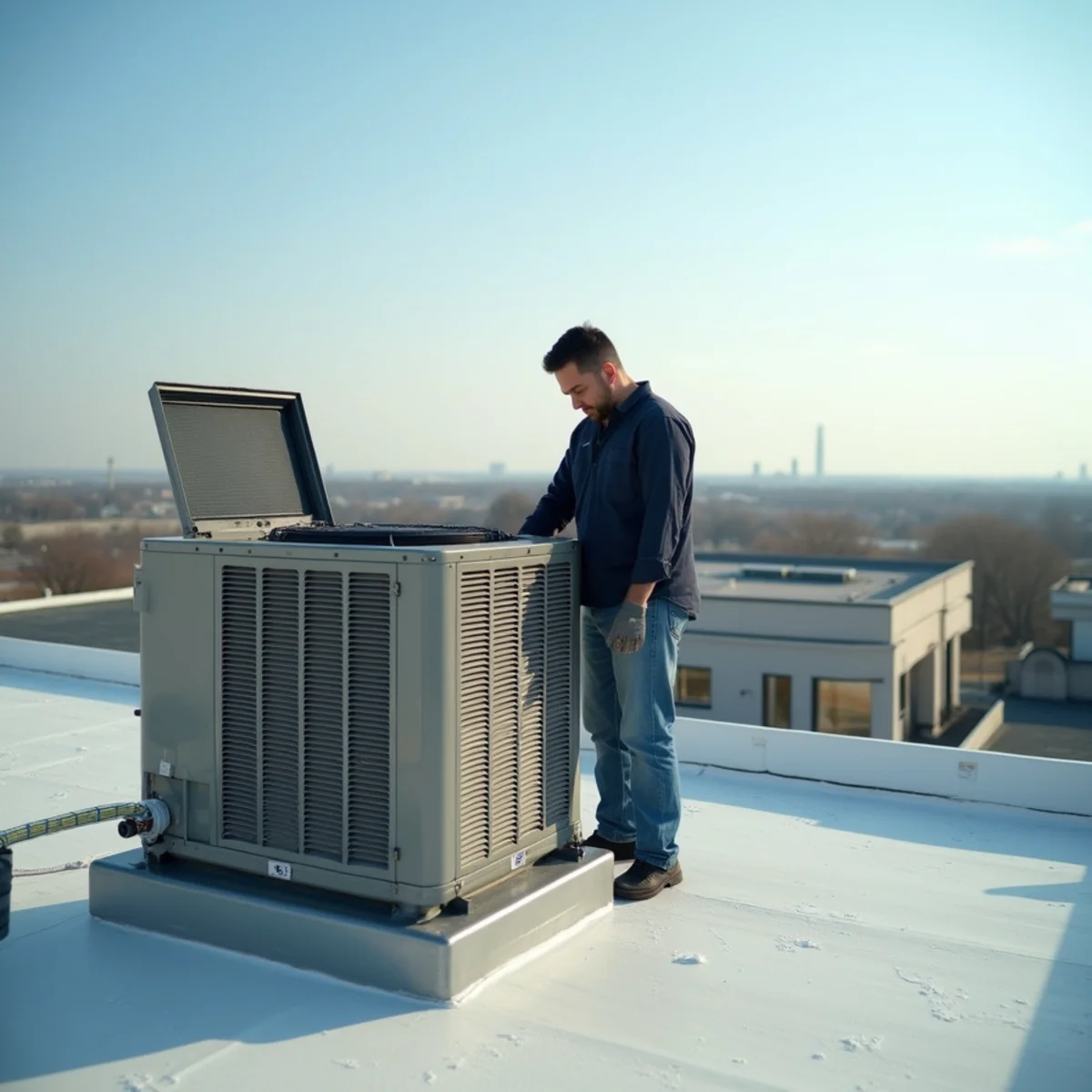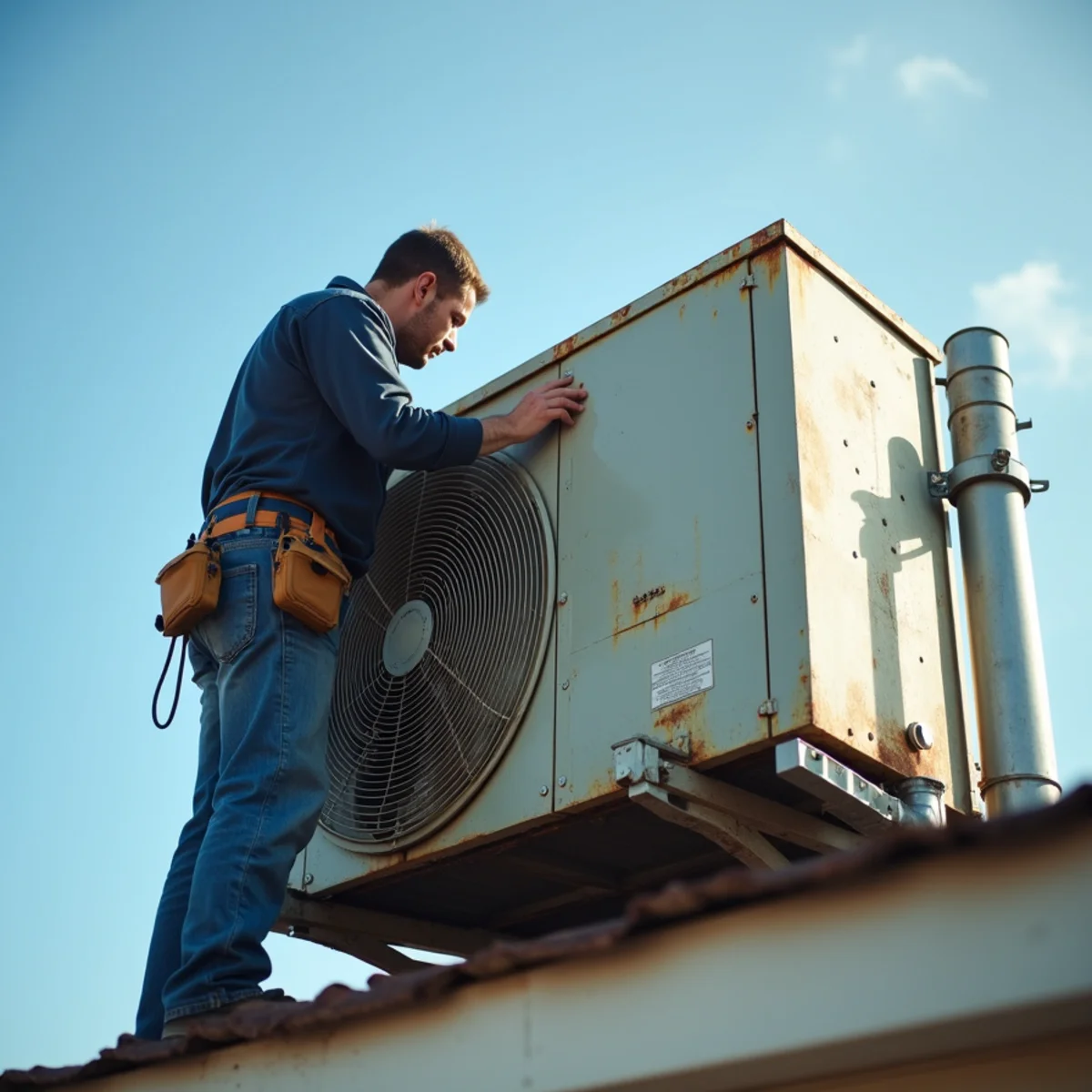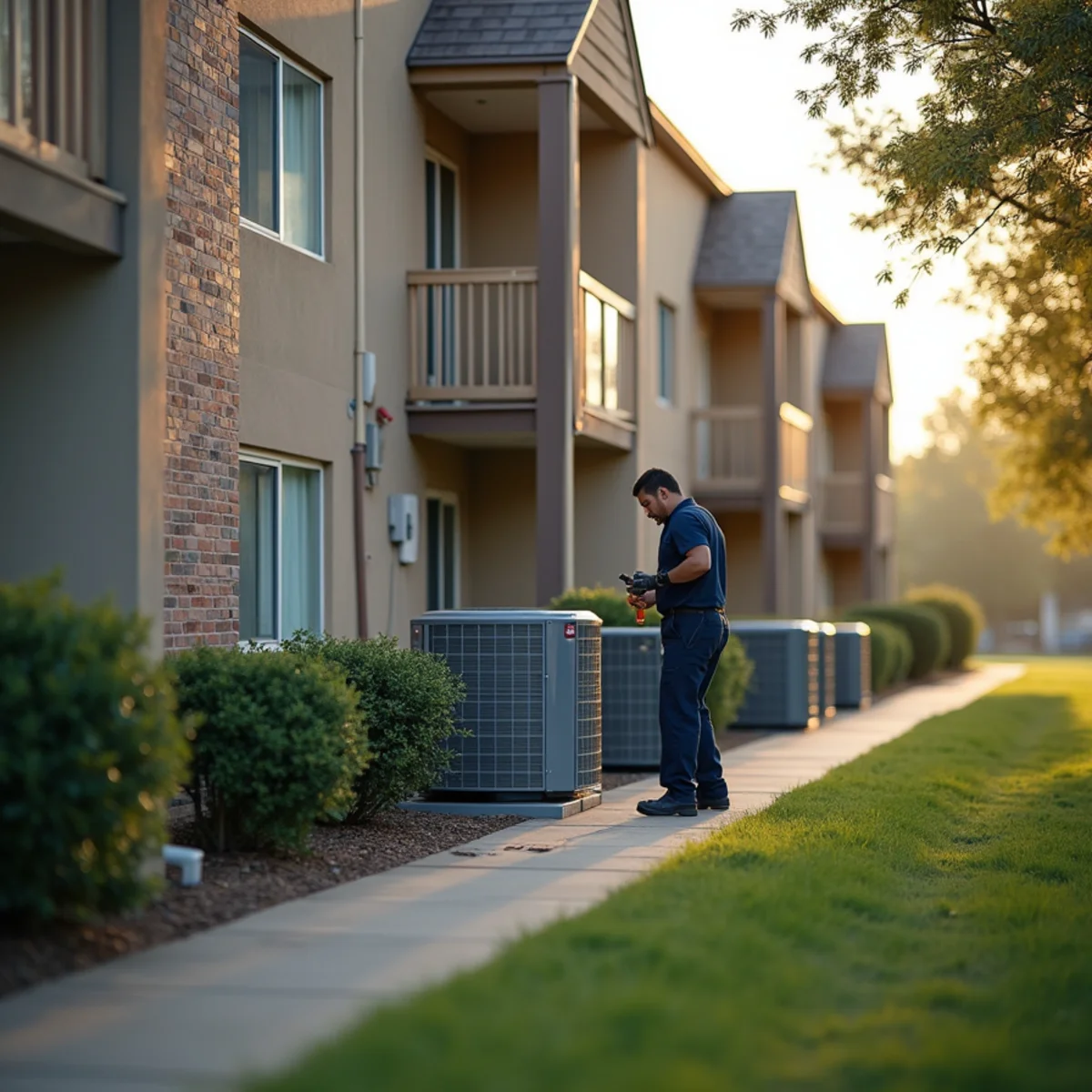
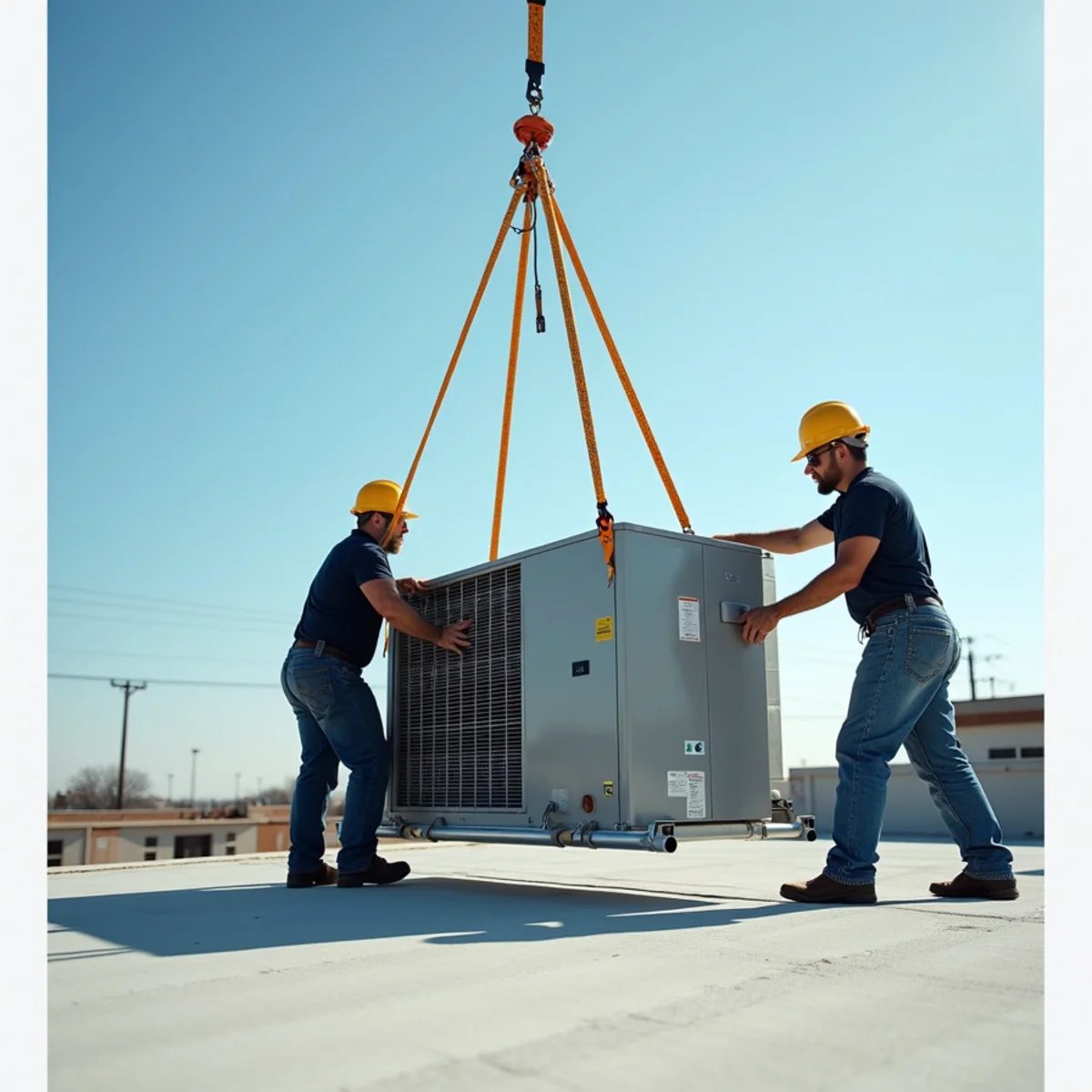
Most commercial HVAC replacements can be done without closing, but only if the planning starts months before the equipment fails. The three decisions that determine whether you stay open are timing (shoulder season, when the unit you're replacing isn't carrying the building), sequencing (replacing one unit at a time so the others cover the load), and lead time (ordering equipment before you need it, not after it dies). The businesses that end up closing are almost always the ones that waited for a failure in July.
This guide covers the question above in depth for Oklahoma City homes and businesses. Here is what it walks through:
- The short answer: plan it in the shoulder season, not the emergency
- Start the clock before the unit forces you to
- Timing: choosing the right window
- Sequencing: one unit at a time
- The lead-time question that decides everything
- What a changeout day actually looks like
- What to have ready before you ask for an estimate
- Repair, replace, or plan ahead
- Starting the conversation early
What makes this guide useful: A 'Replacement Planning Timeline' gantt-style diagram running T-minus 6 months to changeout day, with five swim lanes — Assessment, Equipment ordering, Site coordination (crane/roof/permits), Tenant and staff communication, Changeout — showing what has to overlap and where the hard dependencies are (e.g., load assessment gates equipment selection; equipment lead time gates the crane date; the crane date gates the tenant notice). Paired with an 'Operations Impact Matrix' comparing four approaches — emergency changeout, shoulder-season planned, overnight/weekend, phased multi-unit — scored across five columns: hours the space is affected, temporary equipment needed, planning lead time required, budget flexibility, and risk if weather turns. Lennox and Trane commercial pages sell equipment; none map the planning calendar a business owner actually has to run.
If you know a replacement is coming, the best time to talk about it is before it's an emergency. Call Serrato Heat and Air at (327) 210-5999 to start planning around your operations.