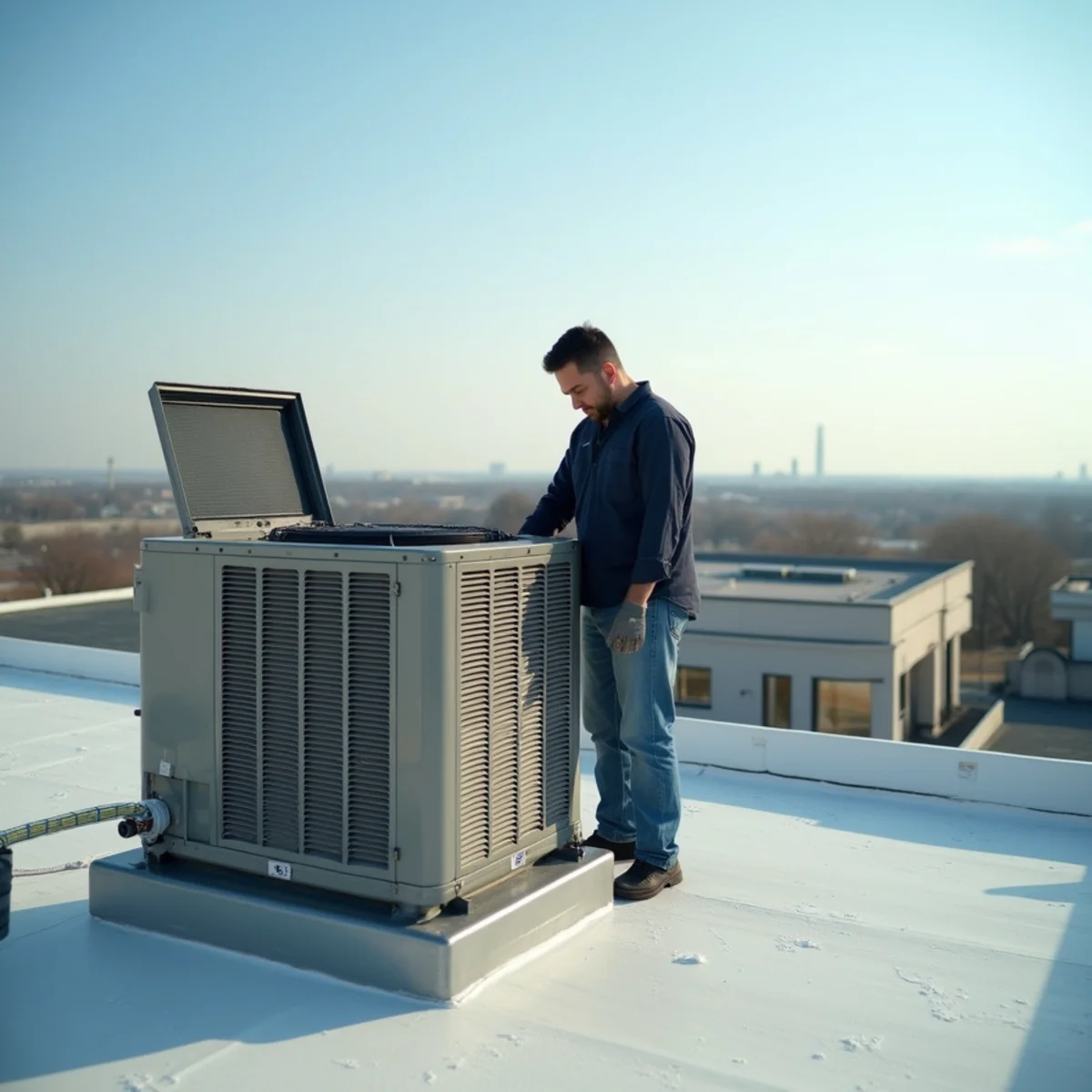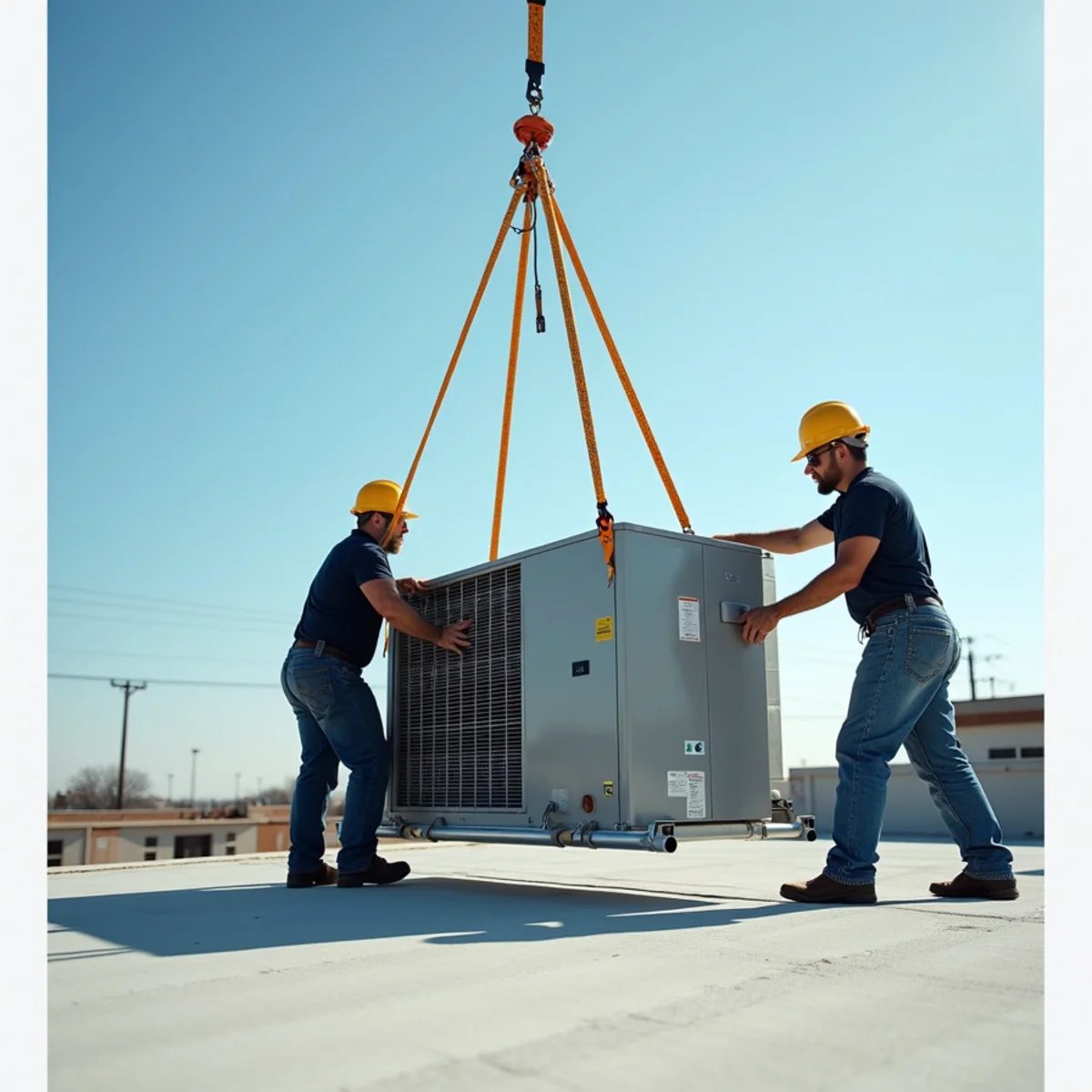
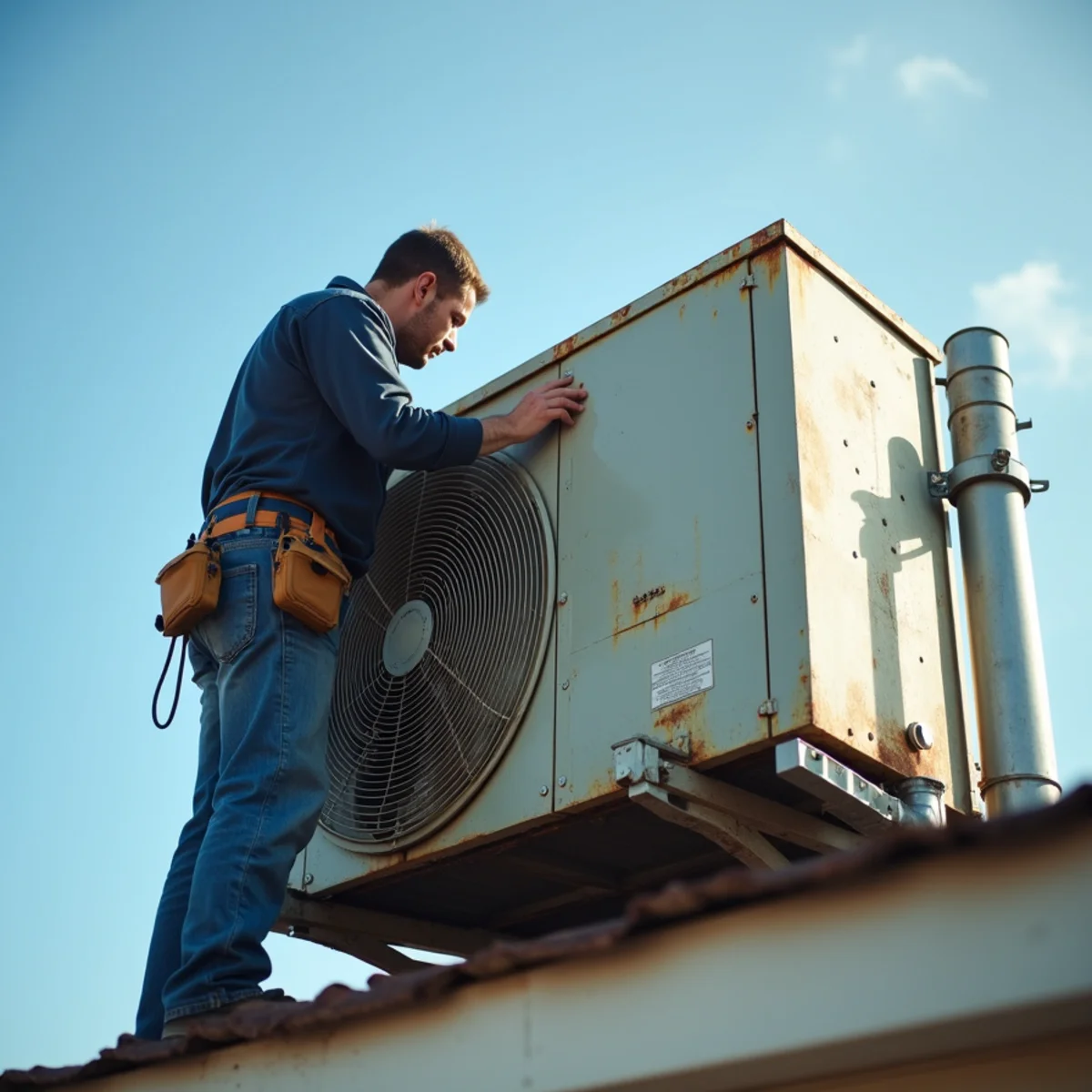
The rooftop unit warning signs that can't wait are burning or electrical smells, a breaker that trips repeatedly, visible smoke, and any gas odor near the unit or its vents. The signs that mean 'schedule service soon' are short cycling, ice on the coil or refrigerant lines, rising energy use with no change in weather, water pooling around the curb, and comfort complaints that move around the building. Nearly every expensive rooftop failure sends one of these signals first.
This guide covers the question above in depth for Oklahoma City homes and businesses. Here is what it walks through:
- Stop here if you have any of these
- The short answer: what's urgent vs. what's a work order
- Warning signs you can see
- Warning signs you can hear
- Warning signs you can only see in the data
- Warning signs you can smell
- What to document before you call
- When warning signs add up to a replacement conversation
What makes this guide useful: A rooftop unit anatomy diagram with a severity overlay: a labeled packaged RTU (condenser section, evaporator/blower section, gas heat section, economizer, curb, condensate drain) where each symptom is pinned to the component it originates in and color-coded by a three-level triage — 'Stop and evacuate', 'Call today', 'Next scheduled visit'. Paired with a 'What to Tell the Technician' reporting card: eight fields (unit ID/location, when it started, does it happen at startup or during run, breaker tripped Y/N, what you see/hear/smell, indoor temps affected, last service date, any recent building changes) — filling it out before the call routinely saves diagnostic time. Lennox and Carrier RTU pages are product spec sheets; none give a symptom-to-component triage map.
Seeing one of these on your rooftop unit? Call Serrato Heat and Air at (327) 210-5999. If you smell gas or see smoke, get everyone out of the building and call 911 or your gas utility from outside first.