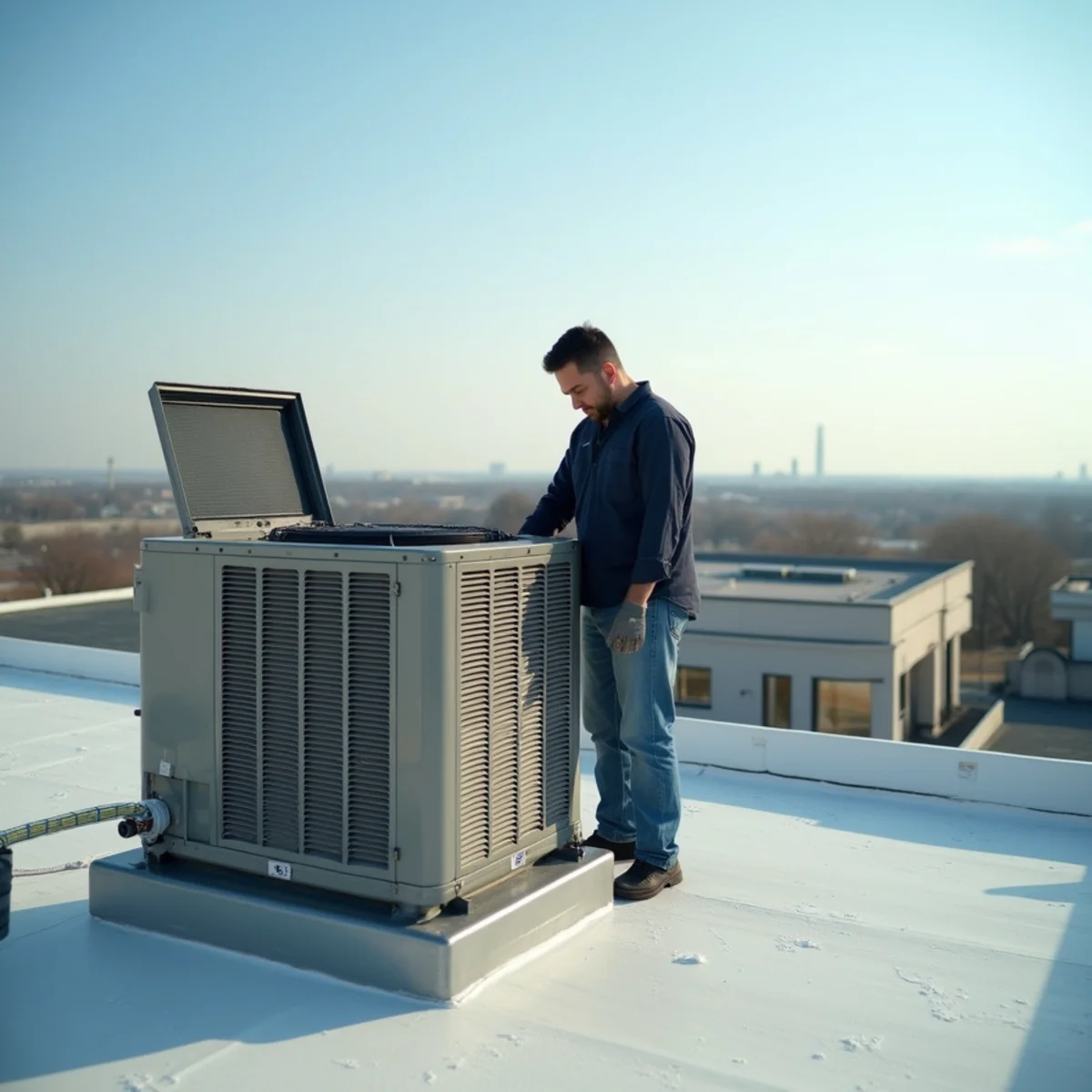
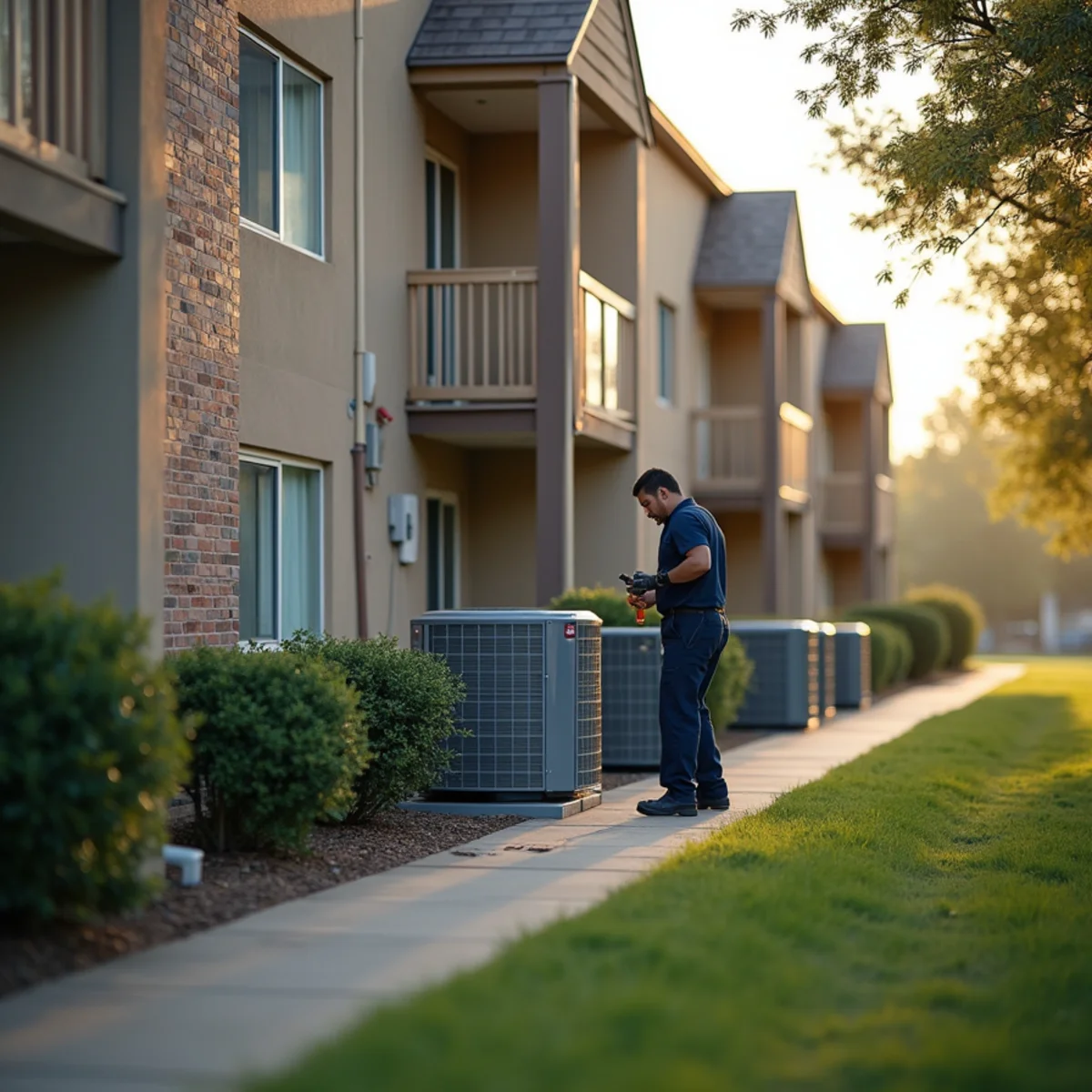
Most tenant-facing HVAC disruption isn't caused by the failure itself — it's caused by not knowing which unit serves which space, not having the failure history to predict it, and scheduling the fix during business hours. The three changes that reduce disruption most are a unit-to-tenant map every technician can use, a complaint triage process that separates comfort issues from equipment failures before a truck rolls, and scheduling planned work around tenant operating hours instead of yours. None of it requires new equipment.
This guide covers the question above in depth for Oklahoma City homes and businesses. Here is what it walks through:
- The short answer: disruption is mostly a coordination problem
- Build a unit-to-tenant map first
- Triage complaints before dispatching
- Schedule around tenants, not around you
- Turn maintenance into a calendar, not a reaction
- Plan for the units you know are near the end
- Communicating with tenants during an outage
- Working with an HVAC contractor who knows your building
What makes this guide useful: A 'Complaint Triage Flowchart' built for a non-technical front desk or property assistant: starts with the tenant's exact words ('it's too hot', 'it's making a noise', 'nothing's coming out of the vent', 'it smells'), routes through three questions anyone can ask, and terminates in one of four buckets — Adjust a setting, Log and monitor, Schedule service, Call now — with the safety-escalation branch (gas, smoke, burning) breaking out at the top and bypassing triage entirely. Paired with a fill-in 'Unit-to-Tenant Map' template: unit ID, rooftop location/curb number, suite served, thermostat location, filter sizes and count, disconnect location, install year, and last five service dates. Manufacturer commercial pages address engineers and specifiers; nothing ranking is written for the person actually taking the tenant's phone call.
Managing HVAC across a multi-tenant building in the OKC metro? Call Serrato Heat and Air at (327) 210-5999 to talk through a service approach that fits your tenants' hours.